 Please wait...
Looking for pelvic floor physiotherapy in Hyderabad? Specialist pelvic floor rehabilitation is available at our clinics in Madhapur and Kondapur, making expert care accessible for women and men from Hitech City, Gachibowli, Kothaguda, and nearby areas. At PAL Physiotherapy & Sports Rehab, we provide confidential, evidence-based pelvic floor rehabilitation to treat urinary incontinence, postpartum recovery, pelvic pain, and pelvic organ prolapse, in a safe, professional, and respectful environment.
Our trained physiotherapists assess and treat a wide range of pelvic floor conditions affecting both women and men. Pelvic floor rehabilitation helps treat Urinary incontinence (leakage), Postpartum pelvic floor weakness, Pelvic organ prolapse, Chronic pelvic pain, Pelvic floor tightness (hypertonia), Painful intercourse (dyspareunia), Post-prostate surgery recovery, and Bowel dysfunction. This programme addresses both weak and overactive pelvic floor muscles, restoring the strength, coordination, and control needed for daily comfort and quality of life.
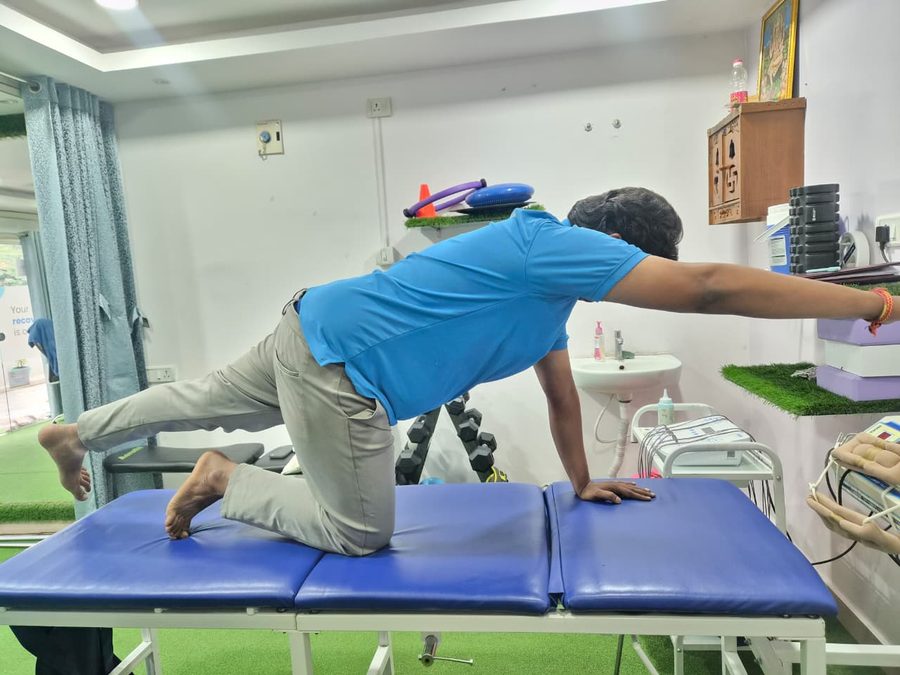
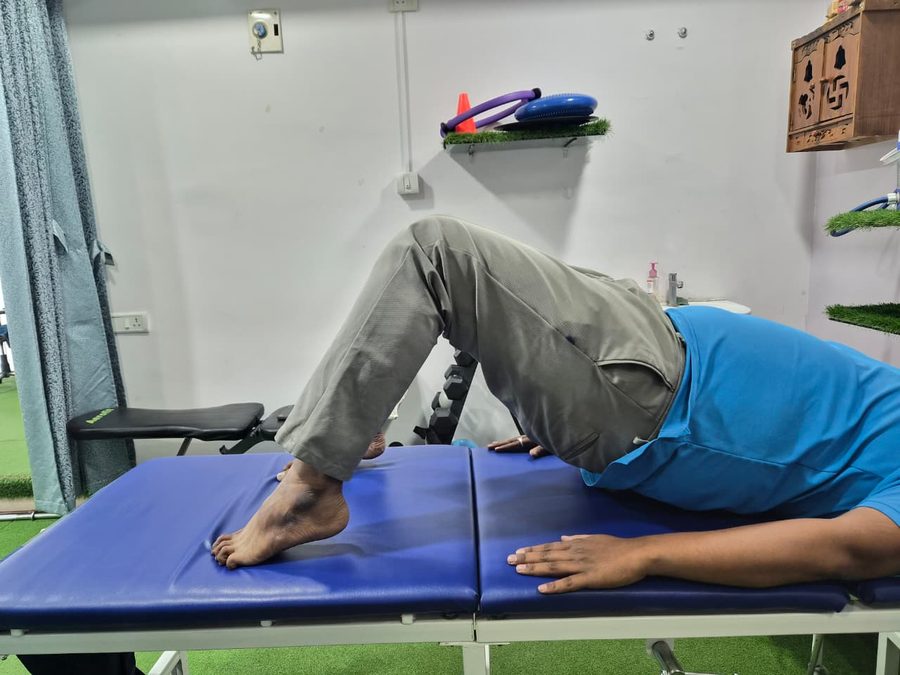
The pelvic floor is a group of muscles, ligaments, and connective tissues that form the base of the pelvis. These muscles support the bladder, bowel, and uterus, control the openings of the urethra, vagina, and rectum, and play a vital role in core stability and sexual function. When these muscles are too weak, too tight, or poorly coordinated, they can cause a wide range of symptoms, from urinary leakage and pelvic heaviness to chronic pelvic pain and postpartum discomfort.
Pelvic floor rehabilitation is a specialised physiotherapy programme designed to assess and treat these dysfunctions. At PAL Physiotherapy & Sports Rehab in Hyderabad, our physiotherapists conduct a thorough assessment to determine whether the pelvic floor is underactive (weak) or overactive (tight) and tailor a treatment plan accordingly. Treatment combines targeted pelvic floor exercises, manual therapy, biofeedback, breathing techniques, and postural correction to restore full pelvic health. Every session is conducted with complete discretion and sensitivity to ensure patient comfort and confidence.
Women recovering from childbirth, individuals with chronic pelvic pain, and patients from Madhapur, Kondapur, and Hitech City who have been silently managing these symptoms are encouraged to seek specialist physiotherapy care, these conditions are treatable and you do not need to live with them.
Pelvic floor rehabilitation is a clinically proven physiotherapy approach that restores pelvic health, improves quality of life, and addresses symptoms that are often dismissed or left untreated.
Targeted pelvic floor muscle training is one of the most effective evidence-based treatments for stress and urge urinary incontinence, significantly reducing or eliminating involuntary leakage.
Pregnancy and childbirth significantly strain the pelvic floor. Rehabilitation after delivery restores pelvic muscle strength and coordination, helping new mothers return to activity safely and confidently.
Chronic pelvic pain, often caused by pelvic floor tightness or trigger points in the pelvic muscles, responds well to manual physiotherapy, muscle release techniques, and targeted rehabilitation exercises.
Strengthening the pelvic floor muscles and learning correct lifting and pressure management techniques helps manage symptoms of pelvic organ prolapse and can prevent progression to surgical intervention.
The pelvic floor is a key component of the deep core muscle system. Rehabilitating it improves overall core stability, reduces lower back pain, and enhances athletic and functional performance.
Resolving pelvic floor dysfunction, whether it is leakage, pain, or prolapse, dramatically improves confidence, social participation, exercise tolerance, and overall daily wellbeing.
At PAL Physiotherapy clinics in Hyderabad, pelvic floor rehabilitation is provided for a broad range of conditions affecting women, men, and individuals across all life stages.
Involuntary urine leakage during coughing, sneezing, laughing, or exercise caused by weakened pelvic floor muscles, one of the most effectively treated conditions in pelvic floor physiotherapy.
After vaginal or caesarean delivery, pelvic floor muscles need structured rehabilitation to recover strength, prevent prolapse, and help new mothers resume physical activity without leakage or pain.
Prolapse of the bladder, uterus, or rectum into the vaginal wall causes feelings of heaviness, bulge, or pressure. Pelvic floor rehab reduces symptoms and can prevent the condition from worsening.
Persistent pain in the pelvic region, including lower abdominal pain, tailbone pain (coccydynia), and deep hip pain, is often caused by overactive or poorly coordinated pelvic floor muscles that respond well to physiotherapy.
Pain during intercourse is frequently caused by pelvic floor muscle tightness (hypertonia) or scar tissue from surgery or childbirth. Gentle physiotherapy techniques effectively resolve this condition.
A sudden, strong urge to urinate that is difficult to control. Bladder training combined with pelvic floor rehabilitation reduces urgency and helps patients regain bladder control.
Men experiencing urinary incontinence or pelvic weakness after prostatectomy benefit significantly from pelvic floor rehabilitation to restore urinary control and pelvic muscle function.
Separation of the abdominal muscles during pregnancy weakens the core-pelvic system. Pelvic floor rehab combined with core rehabilitation effectively addresses this postpartum condition.
Pelvic Floor Rehab Treatment Process. Here is what usually happens during a pelvic floor rehabilitation session at PAL Physiotherapy in Madhapur or Kondapur.
Your physiotherapist will take a detailed, confidential history of your symptoms, medical history, obstetric history (if applicable), bladder and bowel habits, and lifestyle factors. A thorough external postural and movement assessment is conducted to understand how your pelvic floor fits within the broader musculoskeletal system. An internal assessment may be recommended if clinically appropriate and with your full informed consent.
Based on the assessment findings, your physiotherapist will explain the diagnosis in clear, simple terms, outline the treatment plan, and answer any questions you have. The treatment environment is private, calm, and designed to ensure you feel comfortable and in control throughout your rehabilitation programme.
Treatment is tailored to whether your pelvic floor is weak or overactive. For weak pelvic floors, a structured progressive exercise programme is designed to strengthen the muscles. For tight or overactive pelvic floors, manual release techniques, breathing work, and relaxation strategies are used. Biofeedback tools may be used to help you understand and feel your pelvic floor contracting and relaxing correctly.
Each session integrates pelvic floor-specific techniques with broader rehabilitation, including core strengthening, hip muscle work, breathing retraining, and postural correction, as all of these systems work together and influence pelvic floor function. Progress is reviewed at each session and the programme is advanced as your strength and control improve.
Your physiotherapist will provide a personalised home exercise programme with clear instructions, guidance on bladder habits and fluid intake, advice on safe return to exercise and sport, and lifestyle modifications, such as correct lifting technique and managing intra-abdominal pressure, to support your pelvic floor health long after the programme ends.
Two convenient locations in Hyderabad - Madhapur & Kondapur
Metro: Durgam Cheruvu Metro Station - 1.0 km (10-min walk or 4-min auto ride)
Car: Vittal Rao Nagar, Near Image Hospital Road, HITEC City Main Road. Parking available.
Metro: Raidurg or Hitec City Metro Station (10-min auto ride)
Car: Street No. 11, Sri Ramnagar Block C, Kondapur 500084.
If you are experiencing urinary leakage, pelvic pain, postpartum weakness, prolapse symptoms, or any other pelvic floor concern, specialist physiotherapy can help you recover. You do not have to manage these symptoms alone. Visit PAL Physiotherapy & Sports Rehab for expert, confidential pelvic floor care. Available at our Madhapur Clinic & Kondapur Clinic.
+91 8639398229 Book Online© PAL Physiotherapy. All rights reserved. | Privacy Policy